Chosen theme: Effective Time Management Strategies for Home Productivity. Turn your home into a focus-friendly haven with proven methods, thoughtful routines, and human stories that make discipline feel natural. Subscribe and share your wins so we can improve together.
Start with immovable anchors: meals, school pickups, and essential meetings. Wrap productive focus blocks around those. Anchors limit decision fatigue, reduce scheduling chaos, and make routines stick without constant negotiation with yourself or others.
Time Blocking That Actually Works at Home
Assign colors to focus categories—deep work, admin, household, and recovery. The visual separation stops task blending, reveals imbalance instantly, and nudges you to rebalance before burnout arrives or procrastination quietly takes over your afternoons.
The One Big Thing
Pick one meaningful task that, if completed today, moves your week forward. Protect it fiercely. Research shows progress on significant work fuels motivation, which then spills into chores, emails, and lingering micro-tasks with surprising ease.
Write only five tasks per day: one big, two medium, two small. Constraints create focus. A smaller, realistic list finishes more often, builds credibility with yourself, and reduces the mental tax of endless rewriting.
Designing a Distraction-Resistant Home Environment
Place a notebook and timer on your desk, and remove hobby items during work blocks. Clear sightlines reduce context switching, making your brain less likely to wander toward snacks, inbox refreshes, or social scrolling.
Designing a Distraction-Resistant Home Environment
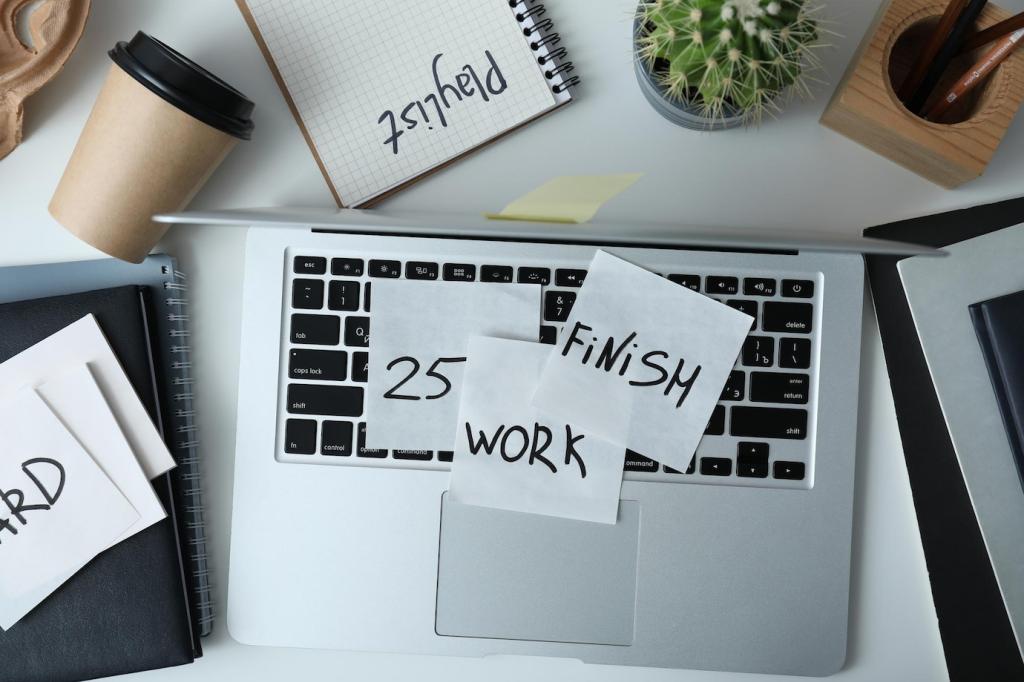
Use the same playlist or white noise and consistent lighting to mark work mode. The ritual conditions your brain, similar to athletes’ pre-game routines, helping you enter focus faster and recover attention after interruptions.
Energy Management and Break Rhythms
For three days, note when you feel sharp, steady, or sluggish. Assign creative tasks to peaks and email chores to troughs. Matching energy to effort multiplies output without longer hours or additional caffeine dependency.
Energy Management and Break Rhythms
Work in 90-minute cycles with a deliberate five to ten-minute break. Stretch, hydrate, or step outside. Respecting natural rhythms restores attention, improves memory consolidation, and keeps afternoon productivity from collapsing under accumulated fatigue.
Family, Roommates, and Boundaries Without Friction
Shared Weekly Huddle
Hold a ten-minute Sunday huddle to review schedules, priorities, and conflicts. Aligning expectations upfront prevents midweek chaos, reduces emotional friction, and ensures your focus blocks are respected without constant reminders or conflicts.
Reduce the task to a two-minute beginning: open the document, name the file, write a single sentence. Momentum often appears after starting, and even the smallest progress retains value if interruptions happen.
Beat Procrastination with Tiny Starts
Post your next small milestone in a shared chat or on the fridge. Social accountability quietly raises standards, turning vague intentions into visible commitments that encourage follow-through without shaming or heavy pressure.